Showing posts with label St Christopher's. Show all posts

Monday, 16 May 2016

Foster Care Fortnight 2016 – Connie’s story

We’re celebrating Foster Care Fortnight from 16-29 May and the theme for 2016 is Time to Foster, Time to Care. Every 20 minutes across the UK a child comes into care in need of a foster family.

Connie lives in Essex and has been fostering for about eight years. She shares her favourite fostering memories and explains why it’s such a rewarding career.


Why did you decide to become a carer?


I had always wanted to foster. My sister, who lives in Ireland, is a carer and so was the childminder who looked after my kids when they were younger.

St Christopher’s was actually the first organisation I saw an advert for so I just went ahead and phoned instead of waiting around for any longer. And I’m so glad I did!

How do you help young people settle into their new home?

For me it’s important not to make a huge deal of their arrival by not putting the spotlight on them. It’s a big move and they might be feeling anxious so I just welcome them in and invite them to have a chat. I’ll show them round the house, introduce them to the people they’ll be living with and talk to them about the area.

What are the biggest challenges of fostering?

I have always fostered teenagers with disabilities. I didn’t go into it with the idea of specifically fostering young people like this but the first boy I looked after had autism and it just grew from there. When he arrived I knew nothing about autism but St Christopher’s sent me on training courses to learn about different behaviours and how I could support him.

Sometimes young people with disabilities can totally switch their behaviour with no warning, which can be challenging at first. The training prepared me for these occasions and I really like that St Christopher’s gave me the opportunity to develop my skills and knowledge. It shows that they put the child’s needs first.

How do you juggle your job alongside the commitments of fostering?

I was so grateful that I could keep my job when I began fostering as lots of agencies don’t let you. Luckily my role is really flexible – for example, if there’s a problem at the school I’m able to go and sort things out. I can also take leave for fostering training days.

In my opinion it’s great for the children to be looked after by someone with a good work ethic. If they come into your home and see you going out to work they will learn that they’ll have to do the same when they’re adults.

Do you have a favourite fostering memory?

One child I looked after couldn’t read at 12 years old and was receiving no support from his school when he first came to live with me. He left that school and had help from a tutor and me so that he could learn to read, and he ended up winning an award for his achievement. It was a really proud moment!

Other things that stick in my mind are when foster children say “I love you” for the first time. You know then that they respect you and appreciate everything you’ve done. I’ve learnt an awful lot from the children that I foster, it’s a two-way thing. 

I’m lucky enough to have good relationships with my foster children’s own families. We can all spend time together and have Christmas and birthday meals as a group. I feel like an extension of their birth family, which I’m so grateful for.

Being a carer does wonders for your own self-esteem too – you see a young person doing well and you know that you’ve had a positive hand in helping them get there.

What difference do you think you can make in 20 minutes as a foster carer?

Foster children often have low self-esteem so they need to be reminded that they’re part of your family and that they have a welcome place in your life. They want to know that you love them just as much as your birth children and can need more reassurance.

I remember when one boy first came to live with us he was sometimes aggressive towards my son. I realised that he was acting out because he was jealous so I took some time to make him understand that I love him just as much as my birth children. His behaviour really changed from this point onwards.

Showing you care and that you’re interested in what they have to say is so important. I always try to look at the positives in their development instead of focussing on the negatives, and talk to them a lot about this.

What do you like about fostering with St Christopher’s?

I love that it’s a small agency so you really feel like part of the family. Everyone is so friendly and they really care about you – you’re never left alone if you have a problem and there’s always somebody at the end of the phone who you can talk it through with. At first I didn’t know there was a difference between fostering with a Local Authority or a charity, but I am glad I ended up with a not-for-profit.

When new carers start, I always remind them not to be put off by the first hurdle because the outcomes are so rewarding. It can be challenging but you soon fall into your stride and seeing the difference in the child from when they first arrived is really worthwhile.

What would you say to someone who is thinking about fostering?

Do it! You can be a really positive influence in a young person’s life. Fostering is so, so rewarding and I would recommend it to anyone who wanted to make a difference.

We’re recruiting carers in the Eastern Region and the West Midlands. Find out more about fostering on our website today or call 0800 234 6282 for a no-obligation chat.

Friday, 22 April 2016

What can I learn about fostering in 20 minutes?

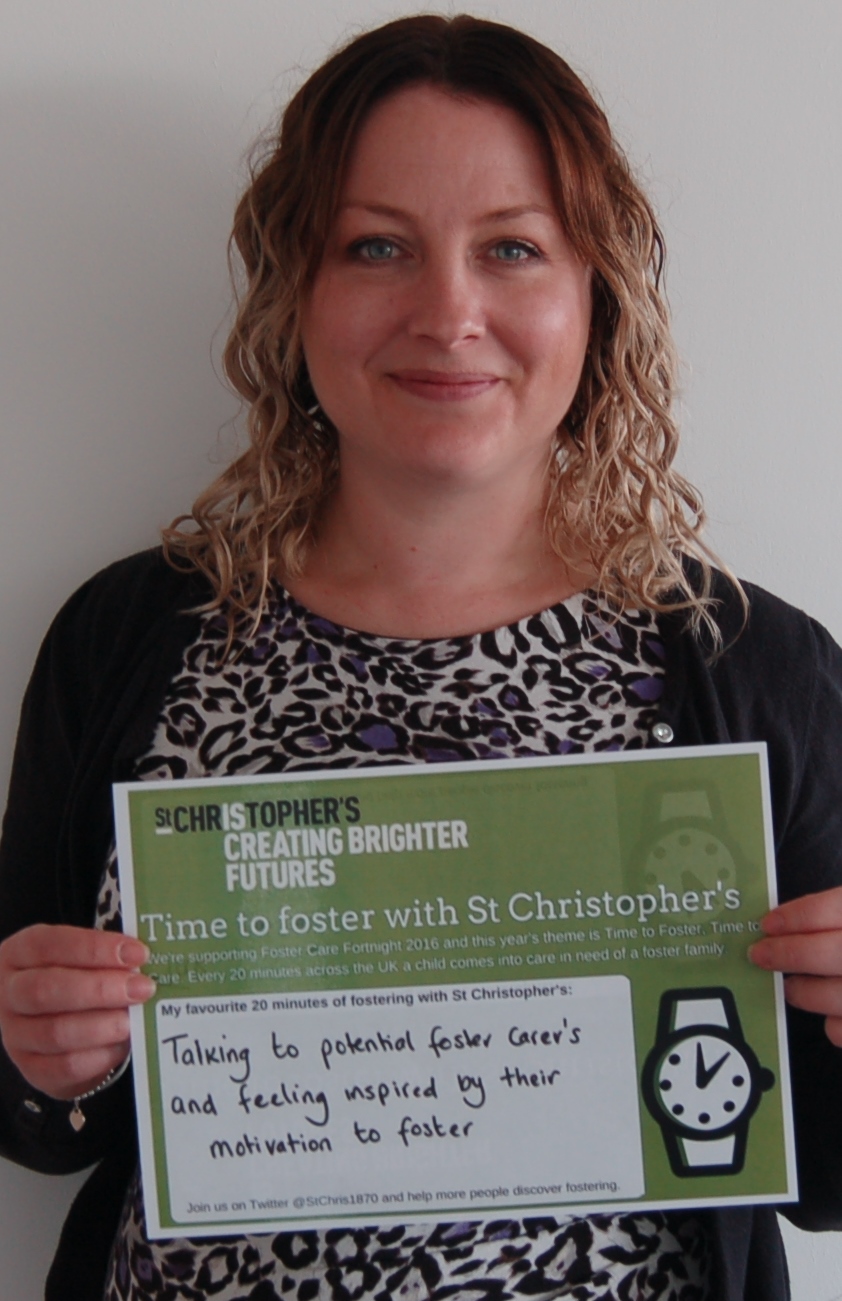
We’re celebrating Foster Care Fortnight from 16-29 May and the theme for 2016 is Time to Foster, Time to Care.

Every 20 minutes across the UK a child comes into care in need of a foster family. This year over 9,000 new foster families are needed to provide safe, loving homes for vulnerable young people.

Kerryann O’Brien, Carer Recruitment Officer, explains what you could learn about fostering in 20 minutes and how your time can make a huge difference to a child.


What is fostering?

Most people have heard of fostering but they don’t usually know what’s involved. Fostering is when you welcome a child or young person into your home and support their development. You’ll provide a caring, safe home and work with their social worker, school and other professionals to make sure they reach their full potential.

What do people usually want to know when they get in touch?

When people get in touch about fostering they are usually just looking for reassurance that they can do it and that they’ll have help along the way.

Most carers have had experience with children before applying whether this is raising their own, working in a care-giving role or babysitting for friends and family. Fostering is very different, so they want to know how they’ll be supported to make the transition to caring for a vulnerable young person in their own home.

If you only had 20 minutes to talk about fostering, what would you say?

The first thing I would talk about is getting ready for fostering. It’s a big step for a lot of people so preparation is key – once a young person has moved in you can’t decide that fostering isn’t right for you and give up.

Explaining about our training is really important too. During the application process you’ll receive initial training where you learn what’s involved in fostering and how a carer fits into a young person’s life. After this you can access online training on young people’s development and will receive further in-house training throughout your fostering journey.

The final thing I talk about is the support carers receive from our social workers. Before a young person comes to live with you, you’ll receive as much information as possible about them so you know what to expect. With your social worker you can plan how to help that young person settle in, whether it’s through introducing a familiar routine or buying ingredients for their favourite meals.

Welcoming that first young person into your home can be nerve-wracking but remember your foster child probably feels even more nervous than you!


There’s a full list of Frequently Asked Questions available on our website.

What’s it like to foster with St Christopher’s?

We’re a small fostering charity, so there’s a real family feel to what we do – our staff know each of our carers and children by name. Our carers are valued members of a team looking after a young person and they have 24/7 access to our experienced staff.

Unlike with larger agencies St Christopher’s has a proper fostering community. Each month our carers can attend a support group where they can meet each other and share their experiences.

We also hold annual achievement awards to celebrate the young people in our care and the milestones they’ve reached in the past twelve months. It’s at these events where you truly recognise the amazing impact that carers have.

What difference can a carer make to a child in 20 minutes?


Tiny things can make a really big difference to a child in care. Listening to stories about their day, playing games and helping with homework all help a child to feel valued. These activities don’t take much time at all but will boost their self-esteem in the long term.

Using 20 minutes to advocate for a child’s rights by sorting out specialist support at school or arranging contact with their siblings is another way you can actively change their life for the better. Children in care often don’t have the confidence to speak up for themselves so foster parents need to be on their side.

Teaching them how to look after themselves properly or how to cook their favourite meal might take only 20 minutes but the skills they learn will benefit them for the rest of their life.

Making a child feel like part of your family goes such a long way. Use 20 minutes to get your relatives on board with fostering – not only can they offer you support in challenging times, it’s lovely for a child to have an extended family that they can spend time with.

How can I find out more?


Visit our website now to learn more about fostering.

We are recruiting carers in Essex and the West Midlands. Find out more about fostering in your area today.


Monday, 1 February 2016

What skills do carers think you need to foster?

When we ask our fostering teams to think about what qualities and skills you need to be a great carer, they always say you need to be patient, compassionate and supportive.

However we wanted to know what characteristics our carers think are essential for fostering – after all, they’re the ones doing the job. Here are some suggestions from our carers in the West Midlands:

Someone you would feel comfortable leaving your own children with
Fostering is when you look after someone’s child in your own home, which is a big responsibility. It’s really important that you can be natural and authentic when you interact with a young person so that you can build up a strong, positive relationship.

Someone willing to get their own family involved
Having the support of your relatives, friends and neighbours can make a huge difference when you’re fostering. Everyone in your life should treat your foster child exactly like your own child so that they feel a sense of belonging and have the chance to experience a normal childhood.

Someone with a big heart, who can show genuine love
Children in care have sometimes lacked stability in their life and can be wary of becoming too settled with one family. If you can show them that you truly care about their life and their decisions, it will make a huge difference to their self-esteem.

Someone who has coped with challenges in their own life
Going through difficult periods and coming out on the other side gives you greater empathy and understanding. You can use these experiences in fostering by reflecting on what helped you during these times and offering the same support to a vulnerable young person.

Someone with self-awareness and the ability to reflect
Fostering is a really challenging job and sometimes everyone needs a bit of a break. It’s OK to take a step back and ask for help, whether it’s from your social worker, family or friends.

Someone who is willing to break out of their comfort zone
St Christopher’s offers regular training sessions to make sure you’re the best foster carer you can be because we think this gives better results for children and young people. Our carers all agree that they come away having learnt something new each time.

Someone willing to work with lots of other people as part of a team
As a foster carer you’re part of a team looking after a child or young person. You will have to be open to everyone’s ideas and suggestions, keeping the young person at the forefront of your mind.

Someone who is confident enough to advocate for the child in a professional way
Sometimes young people can find it challenging to express their opinions, particularly if it goes against the decisions that adults want to make. A carer should be able to speak up on the child’s behalf and make sure their voice is heard.

Someone open-minded and able to think outside of the box
Looked After Children often have different experiences to the majority of young people. Even if you can’t relate to these experiences personally you should be open-minded, non-judgemental and empathetic.

Someone fun with a sense of humour
Above all, you need to know how to have fun!

Do you know anyone with some or all of these skills who you think would make a good carer? Ask them to speak with Kerryann O’Brien, Carer Recruitment Officer, via email or on 0800 234 6282 today.

Thursday, 28 January 2016

What’s it like to go to panel with St Christopher’s?

The final stage of becoming a carer is attending a fostering panel meeting, where it will be decided whether you should be recommended for approval.

We know that the idea of sitting in front of a panel can be nerve-wracking, so we want you to be as prepared as possible for this last step. Fostering Panel Administrator Debbie Stone explains what you can expect at your meeting.


Who makes up the panel?


The panel is a group of people who decide whether to recommend you as a foster carer. My role is to take the minutes of everything discussed.


Everyone involved has an interest in fostering, whether they are social workers, carers or children who have been in care. Other panel members may have specialist skills in medicine or education. Their combined experience means they are best placed to recommend people to be foster carers.

There are usually at least six people on the panel and it will be headed by a chairperson who has significant experience of working with children and families.

What can I expect to happen on the day?


Your social worker will go in first to present your assessment and answer questions from the panel. You will then be invited into the meeting room and asked questions about your assessment so that the panel can get to know you personally.

It’s a great opportunity for you to feel involved in the decision-making process and to ask the panel any questions you may have, but don’t feel obliged to!

How do I know if I have been approved?


After the meeting the panel will discuss your assessment and make a recommendation about whether you should start fostering. It is unusual for a carer not to be approved at this point.

The final decision lies with the Agency Decision Maker, Ron Giddens, who is also Director of Operations at St Christopher’s. He will agree or disagree with the recommendation and will write to you in seven days to let you know.

You’ll be able to start fostering as soon as you receive your approval letter. Congratulations!

If you think you would be a great foster carer, get in touch with us today.

Monday, 11 January 2016

How can I prepare to be a foster carer?

Kerryann is our Carer Recruitment Officer. She follows up every enquiry we receive about fostering and can advise potential carers on how to prepare themselves for the journey ahead. She's come up with some top tips that can help you get ready to welcome a child into your family.


Becoming a foster carer is a big decision. We know that it will impact on every part of your life so we want to prepare you as much as possible for the journey ahead.

If you’re not quite ready to start the application process, there are lots of things you can do to get extra experience that will make all the difference once you are fostering. To give you an idea of what we’re looking for, we’ve put together this guide on preparing to foster.

Get in touch
Speak to our friendly enquiries team to find out if there are any specific things they want you to achieve before progressing with your application. You can learn about the requirements to foster and ask us questions about the approvals process.

Research fostering
Our team can provide you with lots of information about what to expect from fostering, but we understand that talking to real life foster carers is one of the best ways of learning. Reading about other people’s experiences on our blog is a great way to find out how our carers feel about fostering. You can also visit internet forums like The Fostering Network or Mumsnet for extra information.

Get experience with children
Volunteering in schools, kids clubs and support groups is a useful way of getting experience interacting with children and young people, as is babysitting the children of your friends, relatives and neighbours. You can also consider mentoring young people from challenging backgrounds, which will teach you about the types of experiences foster children have.

Build your support network
It’s really important to have a support network around you in difficult times, especially if you are planning on becoming a single parent foster carer. Talk to your family, friends and neighbours about fostering and make sure there are people you can rely on at all hours of the day.

Decorate your spare bedroom
Moving into a new home is scary for any child or young person, especially if they have left their family behind. One way of making their new room welcoming is by decorating it so that it’s easier for them to settle in. Remember to keep the room non-gender and non-age specific as you might be looking after children from all sorts of backgrounds.

Adapt your employment situation
You can still work if you foster, as long as your job allows you to meet the needs of the child or young person. Discuss your plans to foster with your employer to see if they can offer you flexibility around working hours and taking time off.

Let us know if your circumstances change
Changes in your life may affect your eligibility or application to foster. Remember to contact us if you get a new job, meet a new partner or now have a spare bedroom available. Even if you’ve decided that fostering isn’t for you, keep us informed about your decisions so that we can update your record.

Apply to St Christopher’s
We recruit carers from across London, Essex and the West Midlands. You can enquire about fostering or apply with us via our website or on 0800 234 6282.

Please do get in touch if you have any queries about fostering.

Thursday, 17 December 2015

Introducing the London fostering team

Are you interested in fostering? Want to find out more about the team who could be supporting you?

Gabriella Kulesza, London Fostering Team Manager, and Lucy Carroll, Supervising Social Worker, work with our carers across London. They provide support, organise training sessions and undertake assessments to ensure that all of our carers and children are happy and safe. Here they tell us about their roles and what they think makes a good foster carer.


Lucy, top left, and Gabriella, bottom right, look after our foster carers in London
What does your job involve?
Gabriella: I’m the Team Manager for fostering in London. I support all of our London carers, whether they are currently looking after a child or not. I make sure they provide a safe, loving environment where a child can feel at home. I also help to recruit new carers by attending events like community fairs, where I talk to people about what’s involved in fostering.

Lucy: As a Supervising Social Worker I visualise an entire care plan for a child and make informed recommendations on issues that affect their life. I’m available at all hours of the day so that carers can ask for my help or guidance, and help with training sessions for new and existing carers. I’m also welcoming a Social Work student to our team soon, so I will be helping them gain the experience they need to qualify.


In your opinion what’s the most important thing about your role?

Gabriella: The best way we can get things right for the child are by getting things right for the carer as soon as they enquire about fostering with us. My aim is to get the best possible outcomes for all children so that they can go on to have a bright, fulfilling future. It’s challenging, but the rewards are so great that it’s always worthwhile.

Lucy: My priority is minimising disruptions for a child by finding carers they can live with for long-term placements. If for some reason a disruption can’t be avoided, then I try to make the transition as smooth as possible to keep some stability in the child’s life. I also enjoy organising the annual awards events, where we celebrate all the children that our carers look after. It’s great to see how much they achieve in one short year!


What do you think makes a good foster carer?

Gabriella: A carer should be open, warm and caring, with the time and patience to look after a child. It is going to be a challenge so you need to have some self-belief and confidence that will allow you to care for the child and promote the best outcomes for them. You should be able to relate to children, even if you don't have your own.

Lucy: The best carers go the extra mile to ensure the child feels like part of the family and is treated like a birth child, which is really important. Things like cooking a child’s favourite meal and taking them for days out can make such a huge difference to their development.


Gabriella: We work in partnership with our carers to get the best results and ensure that the child comes first. Even if you think you might not meet every single requirement to foster, we can help you become an amazing carer with our excellent training and support.


Lucy: We get the best outcomes when we have a good match between a child and their carer. For example, we look after one young person who said it was important for a carer to understand her sarcastic sense of humour. We worked hard to find the right carer for her, and the two of them have developed a really strong bond.


Do any particular carers stand out in your mind for being great?

Gabriella: There is a couple we work with who have looked after a boy with severe learning and physical disabilities since he was a baby. He is now 12 years old and their commitment to him is amazing – they are even planning to adopt him! They have been amazing carers and have advocated for his needs every step of the way.

Lucy: A carer that stands out for me is a single woman who has looked after a young person for about five years. She is now 16 years old and goes to all family events, like a birthday party for the carer’s granddaughter. They’ve developed such a strong relationship because the carer will go above and beyond to make the young person feel included and valued.


Gabriella: Another one of our single carers recently completed a Masters in Autism. She looks after a child with this condition and uses the knowledge she gained from her degree to enhance the care she provides. Her success is down to her great communication skills and her warm and compassionate nature. She really goes the extra mile and you can hear the passion in her voice when she talks about fostering and the young person she cares for.


Why do you think it’s important to recruit new carers?

Gabriella: The more carers we have, the more young people we can help. To look after someone else’s child in your own home is one of the most amazing things you can do. Our carers are so selfless and tenacious, and always do their very best for the young person. It’s an enriching experience not only for the child, but for the carer as well.

If you think you could be a great foster carer, we want to hear from you. We’re recruiting carers across the London boroughs, but particularly in Ealing, Hillingdon and Hounslow. Get in touch with our friendly enquiries team today via email or on 0800 234 6282.


Find out more about fostering on our website.