
Every 20 minutes across the UK a child comes into care in need of a foster family. This year over 9,000 new foster families are needed to provide safe, loving homes for vulnerable young people.
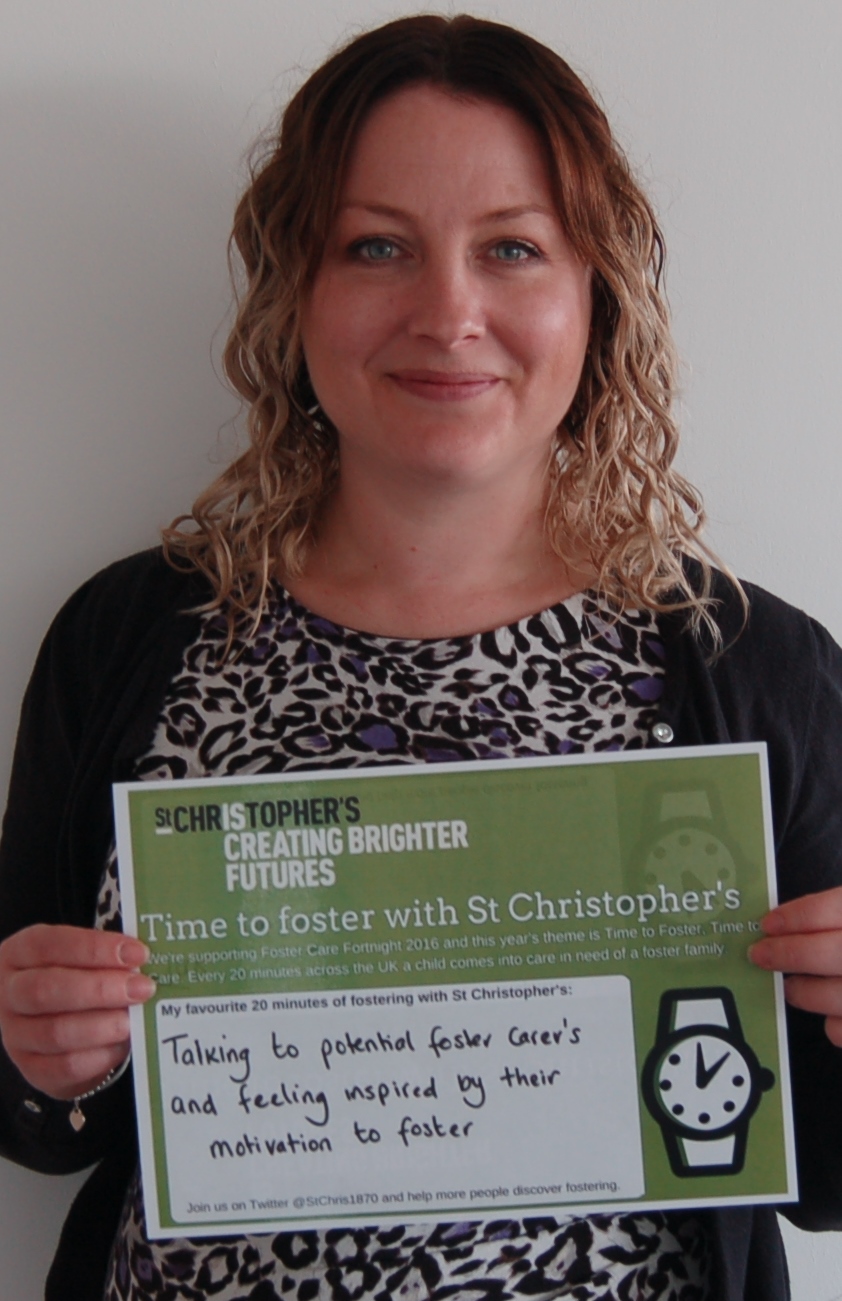
Kerryann O’Brien, Carer Recruitment Officer, explains what you could learn about fostering in 20 minutes and how your time can make a huge difference to a child.

What is fostering?
Most people have heard of fostering but they don’t usually know what’s involved. Fostering is when you welcome a child or young person into your home and support their development. You’ll provide a caring, safe home and work with their social worker, school and other professionals to make sure they reach their full potential.
What do people usually want to know when they get in touch?
When people get in touch about fostering they are usually just looking for reassurance that they can do it and that they’ll have help along the way.
Most carers have had experience with children before applying whether this is raising their own, working in a care-giving role or babysitting for friends and family. Fostering is very different, so they want to know how they’ll be supported to make the transition to caring for a vulnerable young person in their own home.
If you only had 20 minutes to talk about fostering, what would you say?
The first thing I would talk about is getting ready for fostering. It’s a big step for a lot of people so preparation is key – once a young person has moved in you can’t decide that fostering isn’t right for you and give up.
Explaining about our training is really important too. During the application process you’ll receive initial training where you learn what’s involved in fostering and how a carer fits into a young person’s life. After this you can access online training on young people’s development and will receive further in-house training throughout your fostering journey.
The final thing I talk about is the support carers receive from our social workers. Before a young person comes to live with you, you’ll receive as much information as possible about them so you know what to expect. With your social worker you can plan how to help that young person settle in, whether it’s through introducing a familiar routine or buying ingredients for their favourite meals.
Welcoming that first young person into your home can be nerve-wracking but remember your foster child probably feels even more nervous than you!
Explaining about our training is really important too. During the application process you’ll receive initial training where you learn what’s involved in fostering and how a carer fits into a young person’s life. After this you can access online training on young people’s development and will receive further in-house training throughout your fostering journey.
The final thing I talk about is the support carers receive from our social workers. Before a young person comes to live with you, you’ll receive as much information as possible about them so you know what to expect. With your social worker you can plan how to help that young person settle in, whether it’s through introducing a familiar routine or buying ingredients for their favourite meals.
Welcoming that first young person into your home can be nerve-wracking but remember your foster child probably feels even more nervous than you!
There’s a full list of Frequently Asked Questions available on our website.
What’s it like to foster with St Christopher’s?
What’s it like to foster with St Christopher’s?
Unlike with larger agencies St Christopher’s has a proper fostering community. Each month our carers can attend a support group where they can meet each other and share their experiences.
We also hold annual achievement awards to celebrate the young people in our care and the milestones they’ve reached in the past twelve months. It’s at these events where you truly recognise the amazing impact that carers have.
What difference can a carer make to a child in 20 minutes?
Tiny things can make a really big difference to a child in care. Listening to stories about their day, playing games and helping with homework all help a child to feel valued. These activities don’t take much time at all but will boost their self-esteem in the long term.
Using 20 minutes to advocate for a child’s rights by sorting out specialist support at school or arranging contact with their siblings is another way you can actively change their life for the better. Children in care often don’t have the confidence to speak up for themselves so foster parents need to be on their side.
Teaching them how to look after themselves properly or how to cook their favourite meal might take only 20 minutes but the skills they learn will benefit them for the rest of their life.
Making a child feel like part of your family goes such a long way. Use 20 minutes to get your relatives on board with fostering – not only can they offer you support in challenging times, it’s lovely for a child to have an extended family that they can spend time with.
How can I find out more?
Visit our website now to learn more about fostering.
We are recruiting carers in Essex and the West Midlands. Find out more about fostering in your area today.

Using 20 minutes to advocate for a child’s rights by sorting out specialist support at school or arranging contact with their siblings is another way you can actively change their life for the better. Children in care often don’t have the confidence to speak up for themselves so foster parents need to be on their side.
Teaching them how to look after themselves properly or how to cook their favourite meal might take only 20 minutes but the skills they learn will benefit them for the rest of their life.
Making a child feel like part of your family goes such a long way. Use 20 minutes to get your relatives on board with fostering – not only can they offer you support in challenging times, it’s lovely for a child to have an extended family that they can spend time with.
How can I find out more?
Visit our website now to learn more about fostering.
We are recruiting carers in Essex and the West Midlands. Find out more about fostering in your area today.


