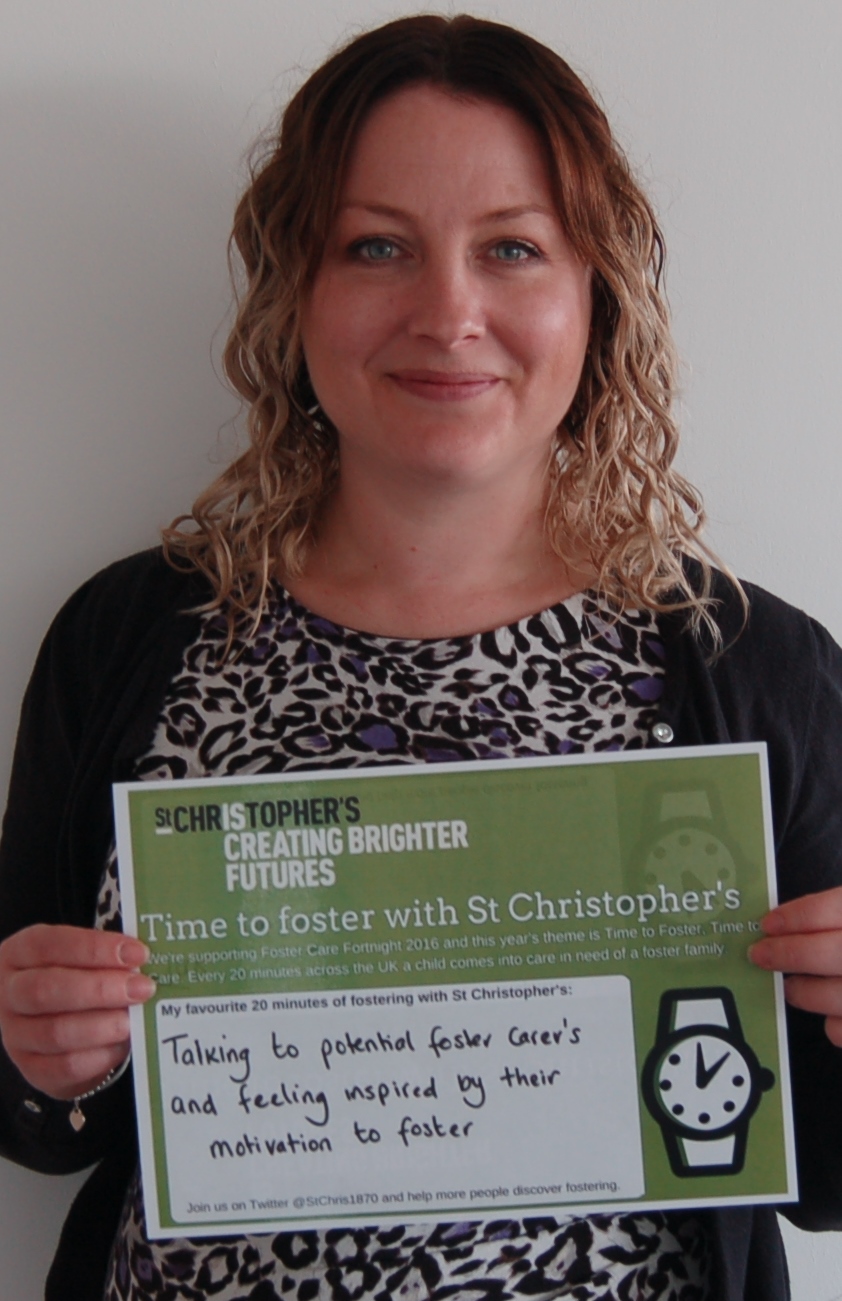
Every 20 minutes across the UK a child comes into care in need of a foster family. This year over 9,000 new carers are needed to provide safe, loving homes for vulnerable young people.
Dean is from Essex and has been a carer for about seven years. He spoke to us about why he wanted to get involved and shared some of his favourite fostering memories.

Why did you want to start fostering?
My mum was a carer so I grew up around fostering. It was something my wife and I had always wanted to do. We waited until our own children had grown up and left home before starting our application. Initially we thought we would give fostering a try for six months but the first young person we looked after came from such a chaotic background that we realised we had to see it through for their sake.
There are different types of fostering like short-term and respite, but we were more interested in looking after someone long-term because you see greater results. It’s so important to provide a stable home as it can take a young person a while to trust you if they have had bad experiences with adults before. You have to build up that relationship – that’s one of the main things that carers do.
You can have good intentions about how it will go but you never know until that first young person moves into your home.
How do you help young people to settle into their new home?
Moving into a new home is a really big thing for young people and we want them to feel as comfortable as possible. We let them choose their own bedding to personalise their room and we’re happy for them to put their own pictures on the walls. We ask what they like to eat so we can cook their favourite meals. It’s about empowering them to make responsible choices and showing them that we care right from the start.
Often the people we care for have been victims of neglect or abuse. They’ve been let down by the people who were meant to look after them and keep them safe. We acknowledge the past and the young person’s feelings, and give them space and time to talk about what’s happened. Through this we encourage them to think about the future and where they’re heading instead. We hope that they can begin to view life more positively.
How do you measure success when you’re fostering?
Young people who have been neglected, abused or have come from difficult circumstances often expect you to fail or let them down as this is often how adults have behaved around them before. They can be justifiably angry, upset or confused about their past and it might take some time for them to trust their foster carer. Sometimes they’ll ask if I’ve read their file but I always make it clear that we don’t make any assumptions based on the information we’ve been given and will deal with situations as they arise.
To begin with they might spend most of their time in their bedroom and will be reluctant to spend time with the family but then something changes. They’ll want to spend more time with you and to get involved in the household. They’ll even ask if you’re OK and start thinking about the people around them. When they do that you know things are beginning to progress well.
After a while you start to see their fear and anxiety drop away. They start to understand that you’re not going to give up on them and that they can stay in their new home. They realise how you can help.
Sometimes you can be fostering someone for 18 months or more and reflect back with them to see how far they’ve come. It just makes you realise how far they can go in the future.
What difference do you think you can make in 20 minutes as a foster carer?
Little conversations might seem inconsequential at the time but when you reflect afterwards you realise that it could be really important. Chats about school, friends and anxieties happen in short bursts but can give you a real insight into how a young person is feeling. We have the conversation on their terms and I give them positive affirmations whenever I get the opportunity.
When short-term interventions like these are repeated again and again they have a really powerful impact. The foster children get to know that you’re consistent and you can build up a strong relationship that will lead to good outcomes.
Why did you choose St Christopher’s?
I started fostering with my Local Authority before transferring to St Christopher’s for two main reasons. Firstly, they are a registered charity so their motive is to help children in care rather than to make money. All their income goes straight back into the young people.
Secondly, St Christopher’s were running a specialist fostering scheme at the time for carers who wanted more challenging placements. We were really interested in this type of fostering as we had both worked with teenagers for over 25 years, whether they were self-harmers, homeless or involved in the criminal justice system.
Since then we’ve fostered people with emotional difficulties, people with electronic tags and people who try to hurt themselves. They usually lack self-confidence which is understandable as they’ve been treated like they don’t matter.
What would you say to someone who is thinking about fostering?
Fostering is a real, tangible opportunity to make a positive impact on a young person’s life. You can be the first person to show them respect, provide a safe home, provide them with care and give them positive attention. It’s a really powerful thing and it’s so rewarding. We’ve got no plans to stop any time soon!
We’re recruiting carers in Essex and the West Midlands. Find out more about fostering on our website today.
My mum was a carer so I grew up around fostering. It was something my wife and I had always wanted to do. We waited until our own children had grown up and left home before starting our application. Initially we thought we would give fostering a try for six months but the first young person we looked after came from such a chaotic background that we realised we had to see it through for their sake.
There are different types of fostering like short-term and respite, but we were more interested in looking after someone long-term because you see greater results. It’s so important to provide a stable home as it can take a young person a while to trust you if they have had bad experiences with adults before. You have to build up that relationship – that’s one of the main things that carers do.
You can have good intentions about how it will go but you never know until that first young person moves into your home.
How do you help young people to settle into their new home?
Moving into a new home is a really big thing for young people and we want them to feel as comfortable as possible. We let them choose their own bedding to personalise their room and we’re happy for them to put their own pictures on the walls. We ask what they like to eat so we can cook their favourite meals. It’s about empowering them to make responsible choices and showing them that we care right from the start.
Often the people we care for have been victims of neglect or abuse. They’ve been let down by the people who were meant to look after them and keep them safe. We acknowledge the past and the young person’s feelings, and give them space and time to talk about what’s happened. Through this we encourage them to think about the future and where they’re heading instead. We hope that they can begin to view life more positively.
How do you measure success when you’re fostering?
Young people who have been neglected, abused or have come from difficult circumstances often expect you to fail or let them down as this is often how adults have behaved around them before. They can be justifiably angry, upset or confused about their past and it might take some time for them to trust their foster carer. Sometimes they’ll ask if I’ve read their file but I always make it clear that we don’t make any assumptions based on the information we’ve been given and will deal with situations as they arise.
To begin with they might spend most of their time in their bedroom and will be reluctant to spend time with the family but then something changes. They’ll want to spend more time with you and to get involved in the household. They’ll even ask if you’re OK and start thinking about the people around them. When they do that you know things are beginning to progress well.
After a while you start to see their fear and anxiety drop away. They start to understand that you’re not going to give up on them and that they can stay in their new home. They realise how you can help.
Sometimes you can be fostering someone for 18 months or more and reflect back with them to see how far they’ve come. It just makes you realise how far they can go in the future.
What difference do you think you can make in 20 minutes as a foster carer?
Little conversations might seem inconsequential at the time but when you reflect afterwards you realise that it could be really important. Chats about school, friends and anxieties happen in short bursts but can give you a real insight into how a young person is feeling. We have the conversation on their terms and I give them positive affirmations whenever I get the opportunity.
When short-term interventions like these are repeated again and again they have a really powerful impact. The foster children get to know that you’re consistent and you can build up a strong relationship that will lead to good outcomes.
Why did you choose St Christopher’s?
I started fostering with my Local Authority before transferring to St Christopher’s for two main reasons. Firstly, they are a registered charity so their motive is to help children in care rather than to make money. All their income goes straight back into the young people.
Secondly, St Christopher’s were running a specialist fostering scheme at the time for carers who wanted more challenging placements. We were really interested in this type of fostering as we had both worked with teenagers for over 25 years, whether they were self-harmers, homeless or involved in the criminal justice system.
Since then we’ve fostered people with emotional difficulties, people with electronic tags and people who try to hurt themselves. They usually lack self-confidence which is understandable as they’ve been treated like they don’t matter.
What would you say to someone who is thinking about fostering?
Fostering is a real, tangible opportunity to make a positive impact on a young person’s life. You can be the first person to show them respect, provide a safe home, provide them with care and give them positive attention. It’s a really powerful thing and it’s so rewarding. We’ve got no plans to stop any time soon!
We’re recruiting carers in Essex and the West Midlands. Find out more about fostering on our website today.